Biofuels
Algae-based biofuels remain an area of active research and capability development, with strong alignment to the transition toward low-carbon energy systems. Algal platforms can convert CO₂ and sunlight into lipid-rich biomass, providing a renewable pathway for producing liquid fuels compatible with existing infrastructure.
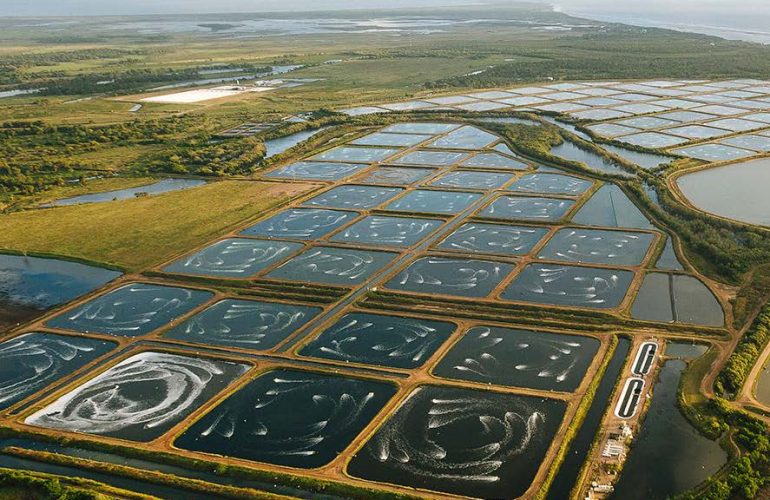
Current capabilities span strain development, cultivation system design, and downstream processing, with ongoing work to improve yield, scalability, and cost efficiency. While large-scale commercialisation remains challenging, advancements in process optimisation, co-product integration, and system design continue to strengthen the value proposition.
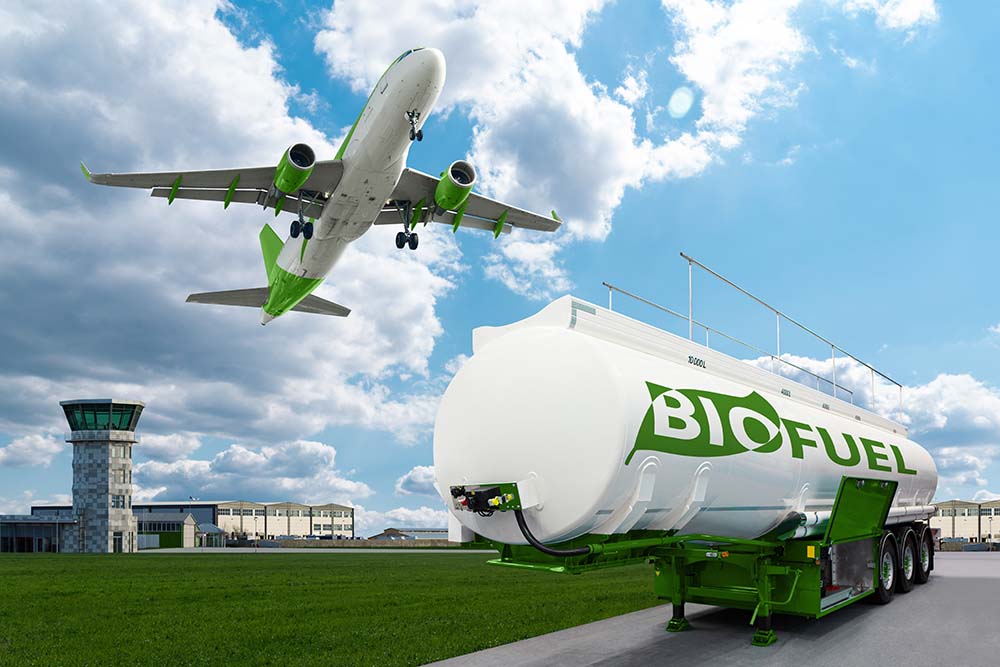
With growing demand for sustainable aviation fuels and alternative energy sources, algal biofuels offer a flexible and future-ready platform. Continued innovation, coupled with shifts in policy, markets, and carbon constraints, positions this area as a key opportunity for long-term deployment.
Key algal-derived compounds and pathways for biofuels include:
- Lipids (triacylglycerols) – primary feedstock for biodiesel production
- Hydrocarbons – direct precursors for drop-in fuels and aviation fuels
- Carbohydrates – conversion to bioethanol and other biofuels
- Proteins (co-products) – supporting integrated biorefinery models
- Residual biomass – utilisation for energy recovery (e.g. biogas)
- Carbon capture pathways – CO₂ utilisation during cultivation