About us
Terminology
Scientifically, algae represent a very broad and diverse range of organisms. In some ways, it is easier to say what it is not. Algae are not land plants, animal nor fungi. They lack true stems, roots, leaves, vascular tissue and are non-flowering.
However, the category is so diverse, that there are exceptions, which creates some confusion, especially when common naming systems are used.
What we can say is that most algae have the ability to conduct photosynthesis and most contain chlorophyll. They are very diverse and predominantly aquatic.
The more familiar types of algae are marine seaweeds (macroalgae) and microalgae from open oceans, coastal areas, lakes, ponds and wastewater.
Algae can be freshwater or marine and are commonly classed as green, brown, red, and blue-green (cyanobacteria), but they do not include the seagrasses which are vascular plants. Sometimes algae are referred to as aquatic plants, and while elements of the scientific community may debate the terminology it remains a useful definition.
Does Australia have many of its own species?
Yes, in fact, there is an enormous array of species native to Australia. Thousands, in fact, with algae growing in both marine and freshwater-inland environments.
CSIRO houses the largest living collection of algae in Hobart, in their Australian National Algae Culture Collection (ANACC). ANACC has database records for 1877 algal strains, of which 1022 are currently viable (934 microalgae, 88 macroalgae). Beyond ANACC, each state and territory has hundreds of endemic species the majority of which have yet to be cultured, with at least 12,000 marine, freshwater and terrestrial species thought to occur in Australia¹
About us
What is Microalgae?
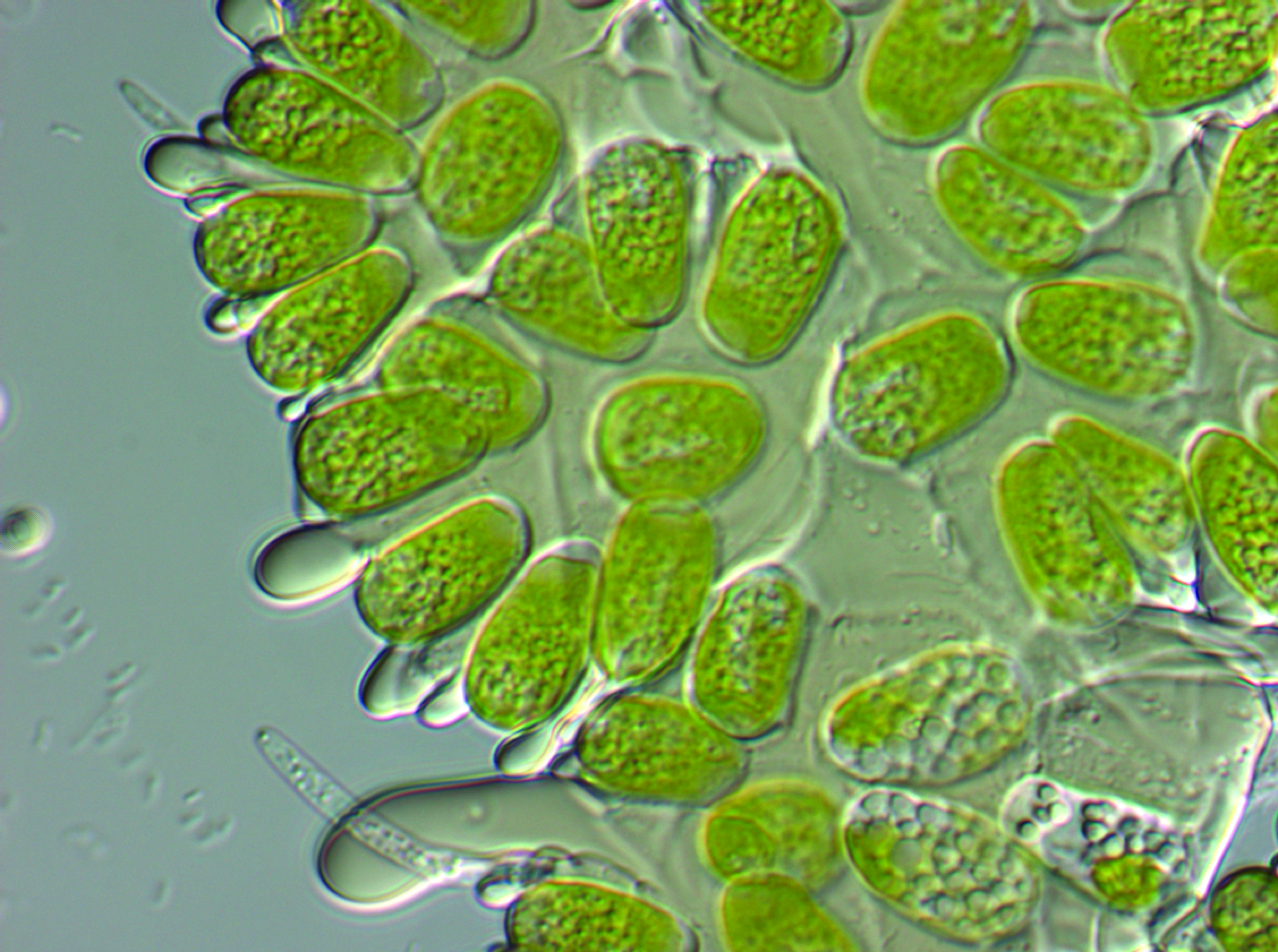
Microalgae are microscopic, plant-like organisms found in oceans, freshwater and even on land. They are some of the world’s most efficient natural biofactories able to convert sunlight, water and carbon dioxide into high-value compounds like proteins, oils, pigments, antioxidants and nutrients. With thousands of native species in Australia alone, microalgae represent one of the most diverse and versatile biological resources on Earth. They grow quickly, require minimal land, and can be cultivated in ways that support food production, animal feed, clean energy, bioplastics, bioremediation and more. In short, microalgae are small organisms with extraordinary potential to fuel sustainable industries and help solve some of our biggest environmental challenges.